The Regions of Morocco
From mountain towns and imperial cities to Atlantic coastlines and the vast Sahara, Morocco is a country of striking contrasts. Each region offers its own landscape, culture, and rhythm, coming together to create a rich and unforgettable sense of place.
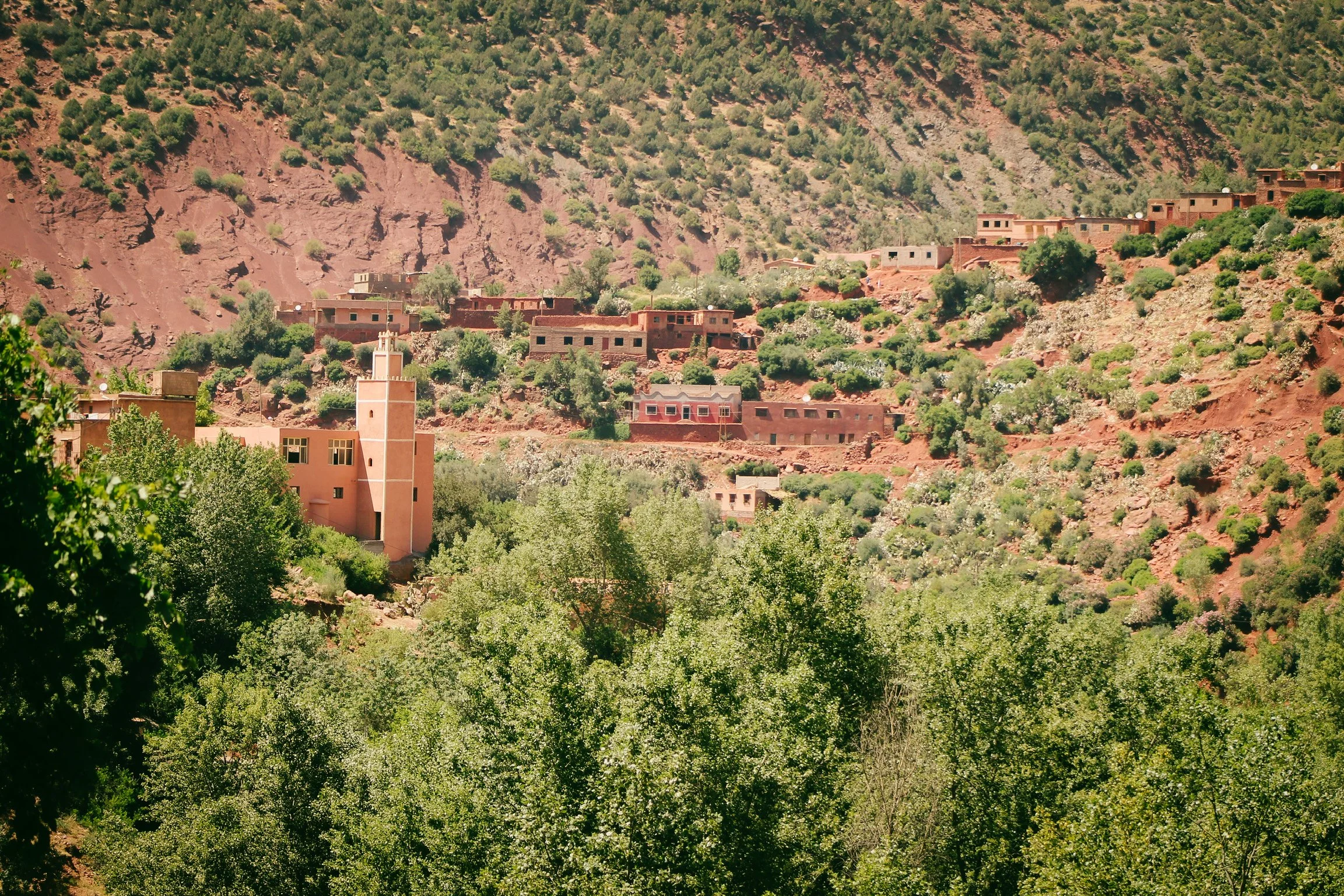
Tangier and the Rif Mountains
The northern region of Morocco is known for its diverse landscapes and cultural richness. Bordered by the Mediterranean Sea and the Rif Mountains, this area features influences from both European and Moroccan history.
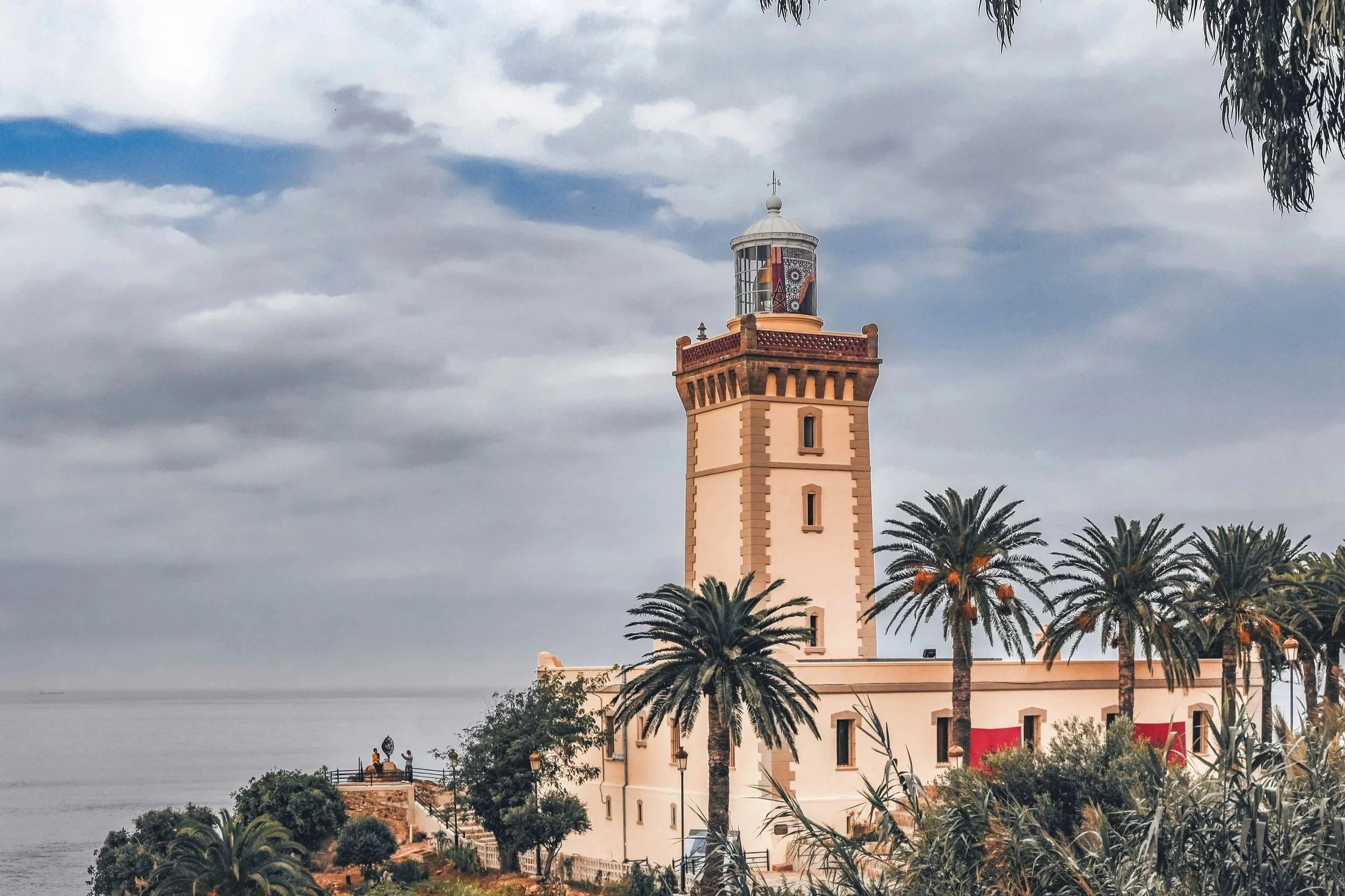
Tangier: A dynamic port city in northern Morocco, Tangier is a sought-after design destination for creatives drawn to its unique architecture and cultural fusion. Tetouan: Nestled in the foothills of the Rif Mountains, Tetouan is a city rich in Andalusian heritage. Its well-preserved medina is a highlight. The UNESCO World Heritage Site has unbelievable Islamic and Andalusian architectural detail. Chefchaouen: Dubbed the "Blue Pearl" of Morocco, it's famous for its blue-washed buildings, dreamy atmosphere, and breathtaking mountain views. People come here to take in stunning blue-washed streets and buildings, hike in the mountains, and escape from city life.
Casablanca and Rabat
The Atlantic coast of Morocco is celebrated for its mix of modern urban centers and storied history. It functions as a vital economic and political hub, with Rabat as the capital city and Casablanca as the country’s largest metropolis.
Casablanca: Morocco's largest city, famed for its French colonial and art deco architecture as well as the iconic Hassan II Mosque, is an economic hub with bustling streets and vibrant street art you can't miss.
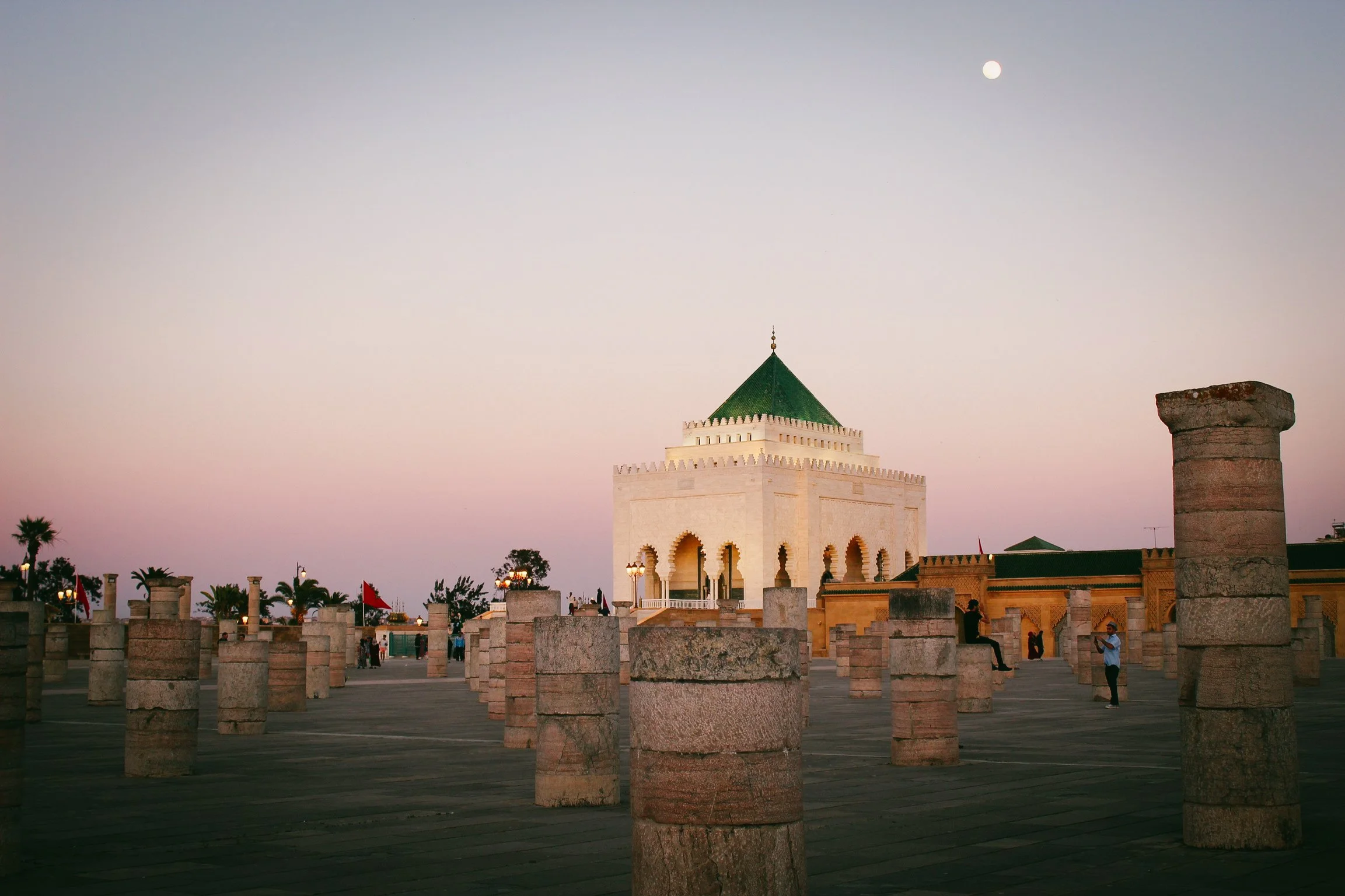
Rabat: Rabat is not only Morocco's capital but also its political and historical center, offering a captivating blend of governance and culture. The city features historical sites such as the Hassan Tower, the Royal Palace, the UNESCO-listed Medina, and serene gardens.
El Jadida: This quiet seaside town is the perfect getaway from Morocco’s larger, busier cities. Offering a blend of Portuguese and Moroccan heritage, it’s renowned for its beaches and freshly caught seafood.
Fes and the Middle Atlas
Positioned in northeastern Morocco, Fes and the Middle Atlas region feature an alluring mix of cultural heritage and scenic beauty. Throughout the area, you can experience everything from medieval architecture to stunning cedar forests.
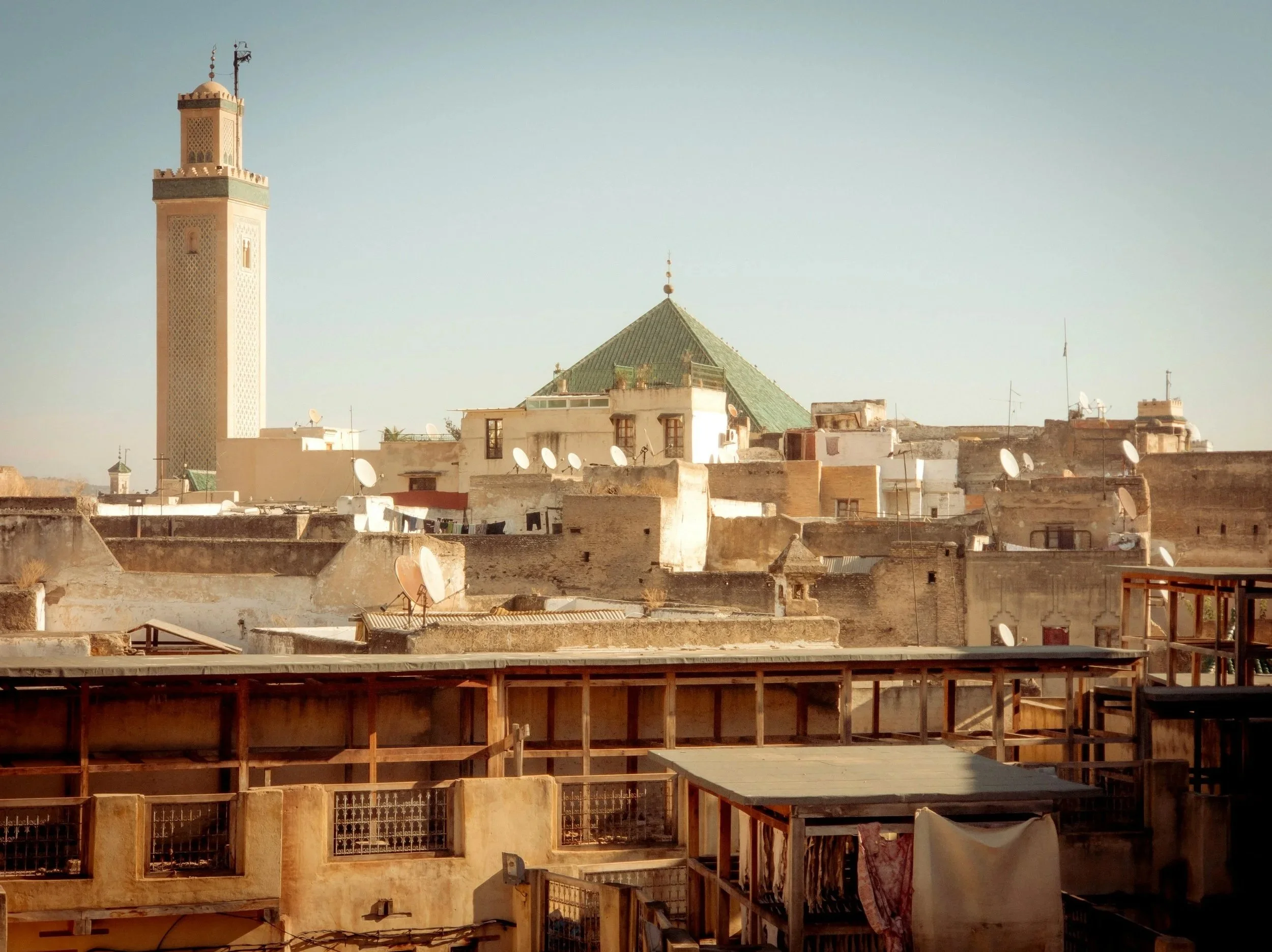
Fes: As one of the country’s most ancient cities, Fes is a remarkable place to explore. The city pulsates with the vibrant energy found in its winding medina, lively tanneries, and bustling souks.
Meknes/Volubilis: One of Morocco’s four imperial cities, Meknes has notable historic landmarks like Bab Mansour, a huge gate with arches and mosaic tiling. Nearby is Volubili, a partly excavated Amazigh-Roman city filled with majestic ruins, intricate mosaics, and grand arches.
Marrakech and the High Atlas
Right in the center of the country is Marrakech, the door to the High Atlas mountains, which stretch across central and south Morocco. The two regions offer a dynamic contrast: bustling city life and breathtaking mountain landscapes.
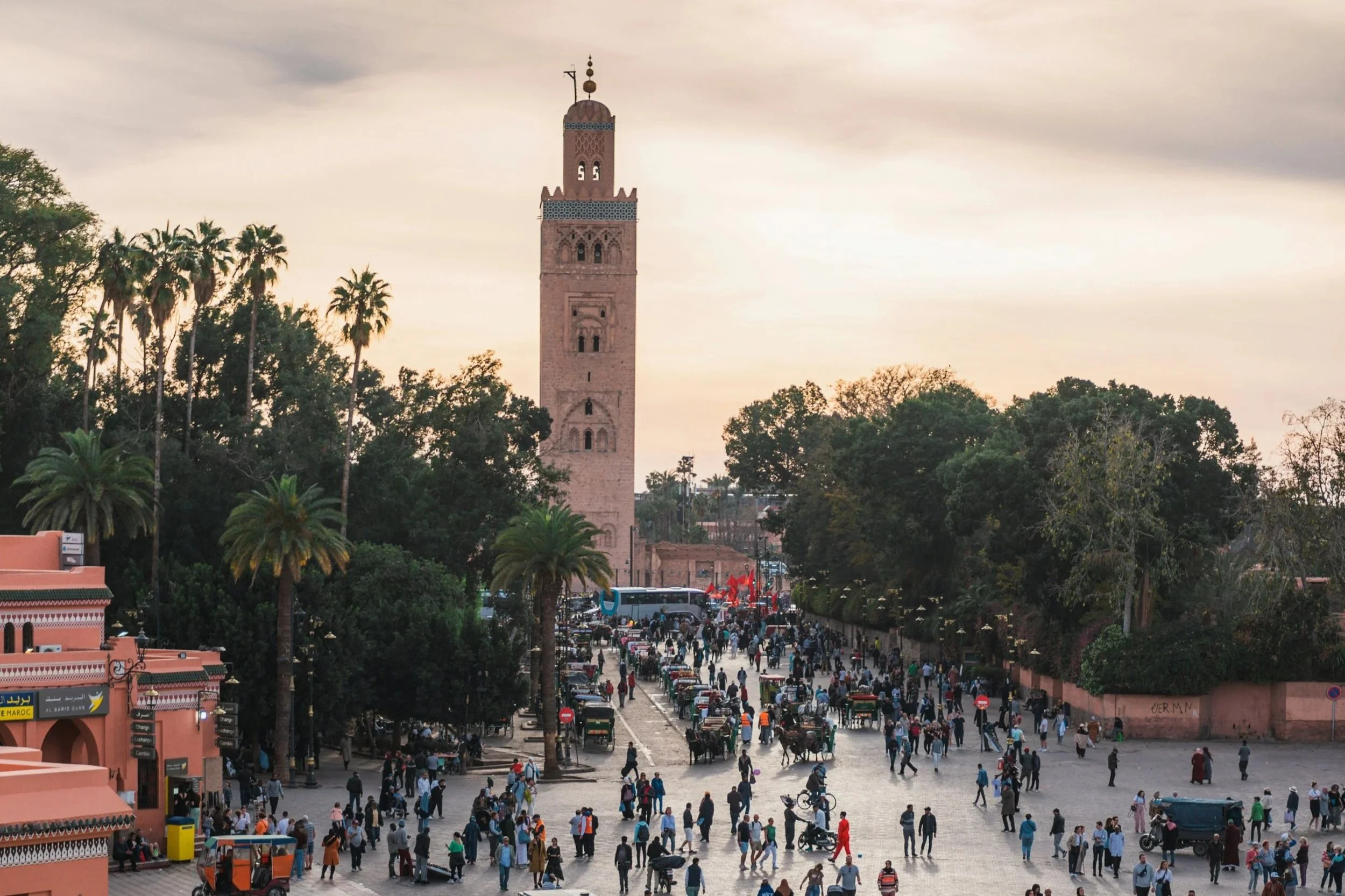
Marrakech: A visit to Morocco isn’t complete without stopping in Marrakech. From the intricate beauty of the Bahia Palace to the serene Majorelle Garden, Marrakech has it all: an unmatched tapestry of culture, captivating landscapes, and the home to the new creative class of Morocco.
Agafay: The stone desert, Agafay, is situated on the edge of the High Atlas and offers a moment to escape Marrakech while also embracing a sense of adventure. Here you can ride both ATVs and camels while you take in breathtaking views.
High Atlas Mountains: Escape the bustle of Marrakech in the Atlas Mountains, where you can visit local Amazigh families and hike sprawling trails that span from lush green fields to red desert rocks.
Essaouira: A relaxing, low-key port city that boasts a UNESCO World Heritage medina, Essaouira features narrow alleyways lined with whitewashed buildings adorned with blue accents, creating a charming atmosphere brimming with a delightful array of shops, galleries, and cafés. Beyond the medina, visitors can enjoy the beach, savor fresh-caught fish, and explore the lively local fish market.
Located along the southern Atlantic coast, Agadir and the Anti-Atlas mountains offer rugged, magnificent landscapes and traditional Amazigh culture.
Agadir and the Anti-Atlas
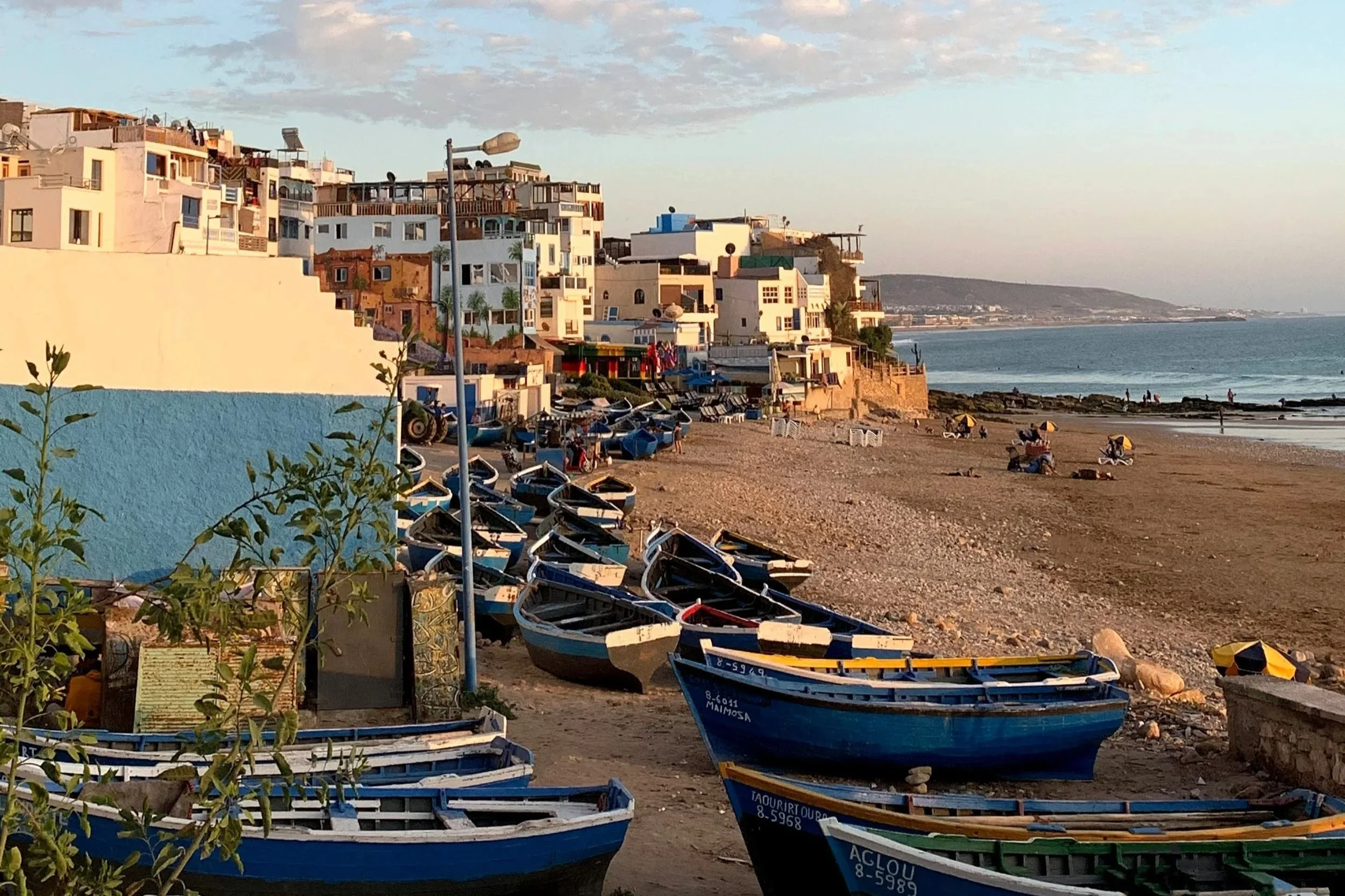
Agadir: A popular coastal resort city, Agadir is known for its mild climate and sweeping coastal views, attracting visitors with its beachside charm and contemporary cityscape.
Tafraout: Nestled in the heart of the Anti-Atlas, Tafraout is famous for its striking pink granite rock formations and Amazigh heritage.
Taghazout: Taghazout is a quaint fishing village turned major surf capital. Watch amateur and professional surfers take on the town’s iconic waves.
Anti-Atlas: An ideal place for hiking, the Anti-Atlas mountains, known as the Lesser Atlas or Little Atlas, boast complex geological formations and traditional Amazigh villages.
The southernmost region of Morocco is characterized by the Sahara Desert—a vast, otherworldly, remote landscape that offers tranquil camping, hiking, and desert villages.
Moroccan Sahara
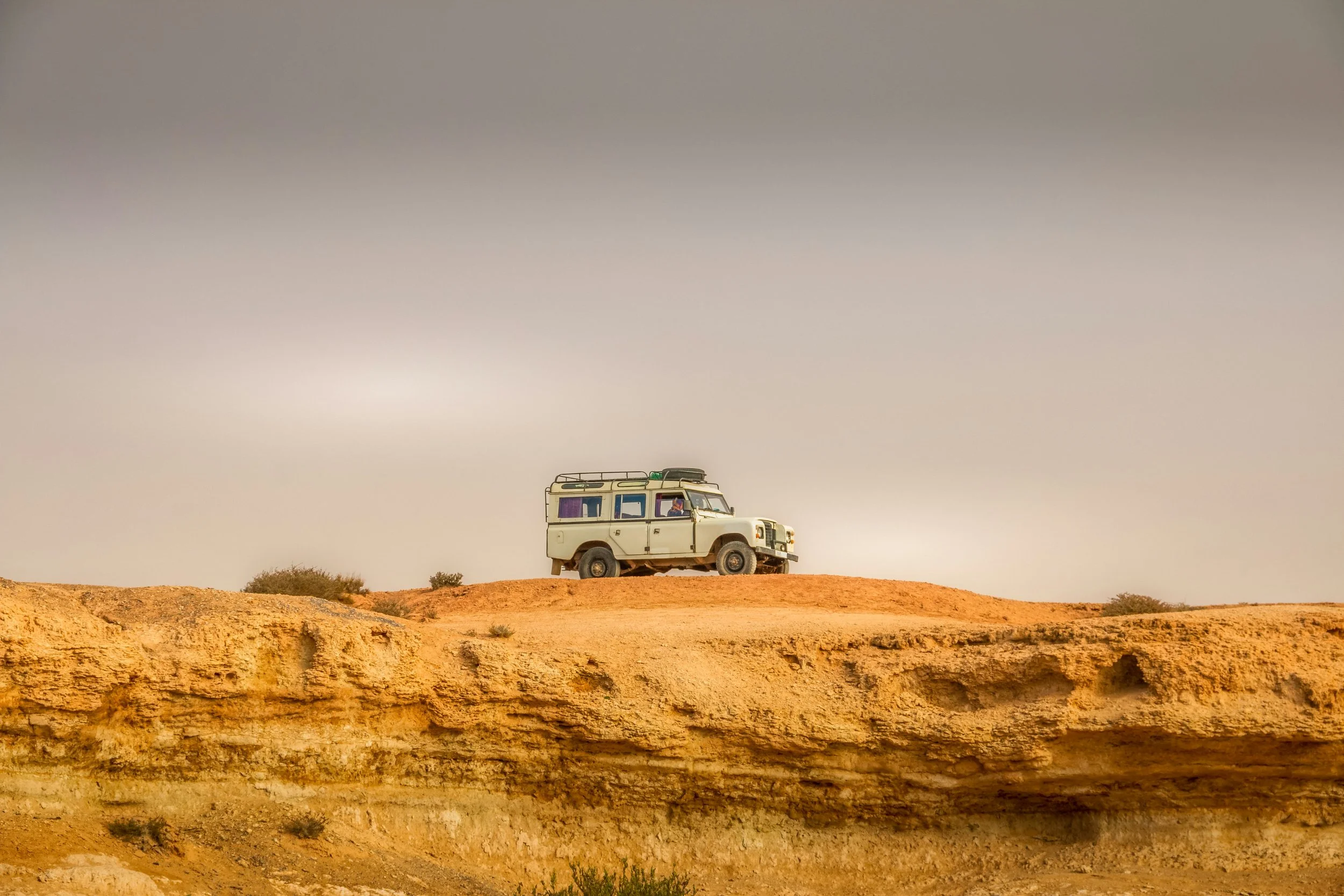
Guelmim: Known as the "Gateway to the Sahara," Guelmim is the largest city in the region and the starting point for many desert trips. It offers several unique cultural traditions, including the region’s largest camel market.
Assa": A remote desert town, is celebrated for its traditional culture and historical architecture.
Dakhla: Located on a small peninsula in the extreme south of the Sahara, Dakhla is a coastal city with long stretches of white sand beaches, windsurfing, and a dynamic fishing industry.
Tighmert: A remote desert oasis, Tighmert has lush palm groves, kasbahs, caves, silver jewelry, and historic sites.
Get In Touch
If you're interested in traveling with us, complete the form with a few details about your project. We'll review your message and get back to you within 48 hours.